Part 7 - How to Read Your Natal Chart: A Beginner's Guide to Birth Chart Interpretation
Planetary Aspects – How the Planets Talk to Each Other
The secret conversations happening in your birth chart
BIRTH CHARTS
It's Not Just About Individual Planets
Welcome back to your birth chart series!
By now, you know:
The planets – the actors (WHAT)
The signs – their costumes (HOW)
The houses – the stages (WHERE)
But here's something you might not have considered: these actors don't perform alone. They talk to each other. They argue. They support each other. They ignore each other.
In astrology, these conversations are called planetary aspects.
Aspects are the angles between planets in your chart. They show how different parts of your personality interact. They're what make your chart complex, unique, and truly YOU.
In this guide, you'll learn:
What aspects are (in plain English)
The five major aspects and what they mean
Which aspects are "easy" and which are "challenging"
How to find aspects in your own chart
How to interpret the conversations between your planets
Let's tune in to the cosmic conversation!
What Are Aspects? The Simple Explanation
Imagine you're at a party. You see different people:
Two friends who finish each other's sentences (conjunction)
Two people who get along easily and enjoy chatting (sextile or trine)
Two people who argue and create tension (square)
Two people who are complete opposites but strangely drawn to each other (opposition)
That's exactly how planetary aspects work. The planets in your chart have relationships based on the angles between them.
Neither is "good" or "bad." Easy aspects are gifts. Challenging aspects are where you grow.
The Five Major Aspects
There are five major aspects astrologers look at first. Let's meet them.
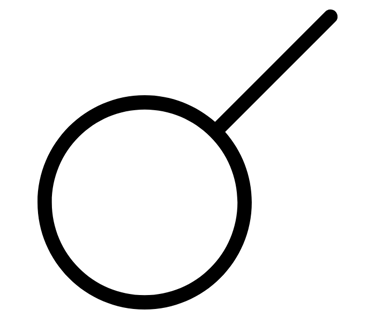
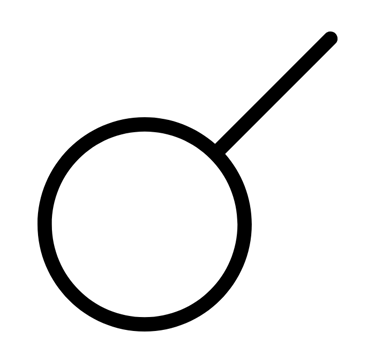
1. Conjunction (0°)
What it means: When two planets are in the same sign and close together, their energies merge. They act as a team. This creates intense focus in that area of your life.
Examples:
Sun conjunct Mercury: Your identity and mind are blended. You think and speak as your true self. You might be a natural communicator.
Venus conjunct Mars: Love and passion are intertwined. You're magnetic, romantic, and passionate in relationships.
Saturn conjunct Pluto: Intense focus on transformation and power. You're here to do deep work.
In simple terms: Conjunctions are like best friends (or intense rivals) who are inseparable. Whatever they do, they do together.
2. Sextile (60°)
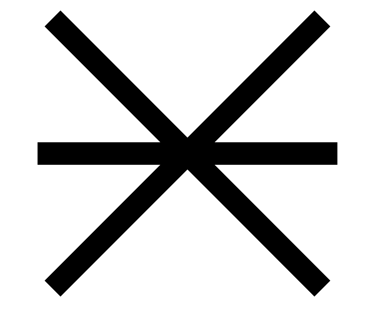
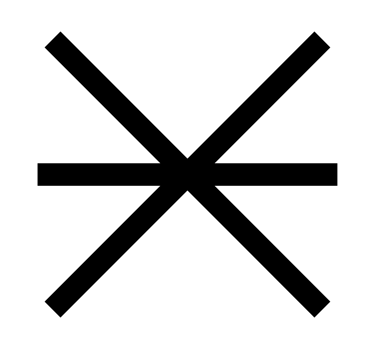
What it means: Planets that are two signs apart (like Aries and Gemini) have a natural, friendly relationship. They work well together and create opportunities.
Examples:
Moon sextile Venus: Your emotions and love nature are in harmony. You express love easily and feel emotionally balanced in relationships.
Mercury sextile Jupiter: Your mind is expansive. You learn easily, think optimistically, and communicate with enthusiasm.
In simple terms: Sextiles are like friendly colleagues who help each other out. They create opportunities if you reach for them.
3. Square (90°)


What it means: Planets that are three signs apart (like Aries and Cancer) are at odds. They create friction, tension, and conflict. But this tension is where growth happens.
Examples:
Sun square Moon: Your core identity and emotional needs are at odds. You might feel pulled between what you want and what you need. Inner conflict, but also self-awareness.
Mars square Saturn: Your drive meets obstacles. You might feel frustrated, blocked, or like you have to work twice as hard. But this builds discipline and endurance.
In simple terms: Squares are like arguments. They're uncomfortable, but they force you to grow and find solutions.
4. Trine (120°)
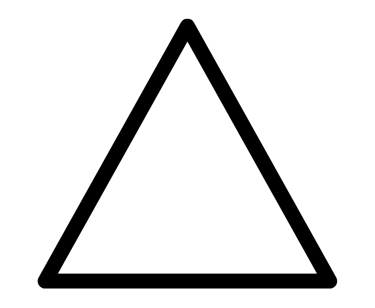
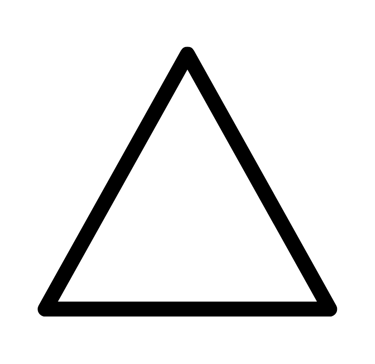
What it means: Planets that are four signs apart (like Aries and Leo) are in perfect harmony. Energy flows effortlessly between them. These are your natural gifts.
Examples:
Venus trine Neptune: You're naturally romantic, artistic, and spiritually connected in love. Creativity flows easily.
Moon trine Jupiter: You're emotionally optimistic. You naturally see the bright side and find joy easily.
In simple terms: Trines are like best friends who just get each other. Things come naturally without effort.
5. Opposition (180°)
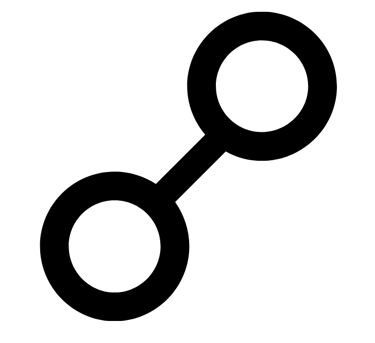
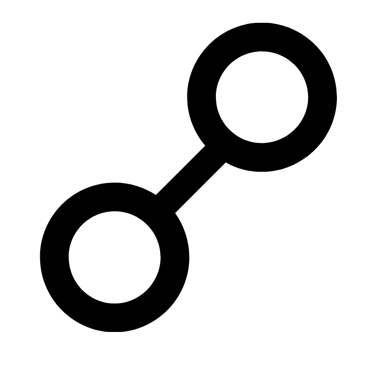
What it means: Planets that are six signs apart (like Aries and Libra) are directly across from each other. They represent opposite but complementary energies. You're often pulled between the two, needing to find balance.
Examples:
Sun opposite Moon: Your identity and emotions are in opposition. You might feel torn between what you want and what you need. Relationships often mirror this dynamic.
Venus opposite Pluto: Intense, all-or-nothing relationships. You attract powerful partners and face deep issues around control and intimacy.
In simple terms: Oppositions are like a tug-of-war. They create awareness through contrast. You learn about yourself through others.
How to Find Aspects in Your Chart
Most natal chart calculators (like Astro.com or Cafe Astrology) will show you aspects in a table or with lines on the chart.
Method 1: The Aspect Table
Look for a table that lists planets and the aspects between them. It might look like this:
Method 2: The Chart Wheel
On the chart wheel itself, aspects are shown as lines:
Red lines usually indicate squares and oppositions (challenging)
Blue lines usually indicate trines and sextiles (easy)
Green or black lines may indicate conjunctions
What Is "Orb"?
Orb is the allowed difference from the exact angle. For example, a square is exactly 90°, but we allow a few degrees (usually 5-8°) and still call it a square. The smaller the orb, the stronger the aspect.
How to Interpret Aspects: A Simple Formula
Just like with planets in signs and houses, you can use a simple formula:
Planet A + Aspect + Planet B = How they interact
Step-by-Step:
Identify the two planets. What do they represent?
Identify the aspect. Is it easy or challenging?
Combine them. How would these two parts of you interact?
Examples:
Example 1: Moon square Mars
Result: You might have a short fuse emotionally. When you're upset, you act impulsively. You're learning to manage your emotional reactions and channel that energy constructively.
Example 2: Venus trine Neptune
Result: You're naturally romantic and artistic. Love feels dreamy and spiritual. You might be drawn to music, poetry, or creative expression. Relationships have a soulful quality.
Example 3: Sun opposition Moon
Result: There's a pull between who you are and what you need. You might feel torn between your ambitions and your emotional needs. This often shows up in relationships – you attract partners who embody the part of you you're not owning. The growth edge is integrating both.
Your Turn: Find and Interpret One Aspect
Step 1: Get Your Chart
Pull up your birth chart from Astro.com or another calculator.
Step 2: Find an Aspect
Look at the aspect table or chart lines. Pick one aspect to explore.
Step 3: Identify the Planets and Aspect
Planet A: ________
Aspect: ________
Planet B: ________
Step 4: Use the Tables Below
Step 5: Write Your Interpretation
"My [Planet A] is [aspect] my [Planet B]. This means [meaning of Planet A] and [meaning of Planet B] have a [easy/challenging] relationship. In my life, this shows up as [your own words]."
Example:
"My Moon is square my Mars. This means my emotions and my drive have a challenging relationship. In my life, this shows up as getting angry quickly when I'm stressed. I'm learning to pause before reacting."
Common Questions About Aspects
Q: How many aspects should I look at?
Start with the major aspects involving your personal planets (Sun, Moon, Mercury, Venus, Mars). Those affect your daily life most.
Q: What if I have no challenging aspects?
Everyone has some! But if you have mostly trines and sextiles, life might flow easily for you. Just be careful not to take your gifts for granted.
Q: What if I have lots of squares?
You're here to grow! Squares are where the work is, but they also create the most character. People with many squares are often dynamic, driven, and deep.
Q: What's a "T-square" or "Grand Trine"?
Those are aspect patterns – special combinations of three or more planets. Once you're comfortable with basic aspects, you can explore patterns. But start with the basics!
What's Next in This Series?
You now understand ALL the pieces of your birth chart:
Planets (actors)
Signs (costumes)
Houses (stages)
Aspects (conversations)
Next week, we'll put it ALL together:
Week 8: Putting It All Together - Read your full chart like a pro
Week 1: What Is a Birth Chart? - A Beginner's Guide + How to Get Yours for Free
Week 2: The Planets Explained: Your Guide to the Cast of Characters in Your Birth Chart
Week 3: The Zodiac Signs Explained - How the signs "color" each planet's energy
Week 4: The 12 Houses - Which life areas get the most cosmic attention
Week 5: Your Big Three Deep Dive - Sun, Moon, and Rising—fully decoded
Week 6: Planets in Houses - Where your energy flows most strongly
Week 7: Planetary Aspects - How the planets "talk" to each other
Next week: The grand finale! You'll learn a simple step-by-step process to read any birth chart – including yours.
Your Turn: Share & Follow Us!
Self-Reflection Prompts:
What's one aspect in your chart?
Does it feel accurate?
Are you mostly easy aspects or challenging ones?
Join our friendly community of cosmic explorers!
AstroAlchemy Studio
Where ancient wisdom meets modern tools
P.S. Aspects take time to really understand. Be patient with yourself – you're learning a new language! ✨
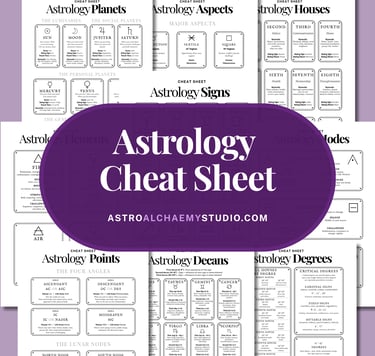
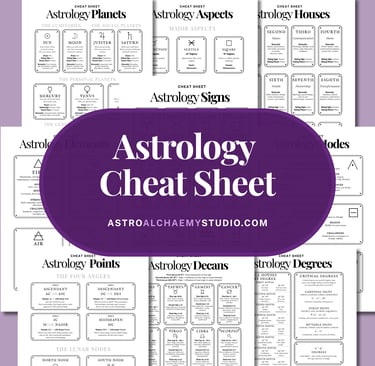
Unlock the secrets of astrology with this comprehensive digital cheat sheet. Featuring clear, accessible charts on planets, aspects, houses, signs, elements, decans, degrees, and more, it's perfect for both beginners and enthusiasts.
Instantly downloadable and easy to print, this guide will help you understand astrological basics at a glance, streamlining your studies and readings.
Start exploring the stars with confidence!
Astrology Cheat Sheet
9 Essential Reference Guides for Astrology Lovers
🚀 Unlock the Future of Astrology with
AI-Powered Precision 🌟
Empower
Transform
© 2026 Astro Alchemy Studio. All rights reserved.